
Empty File, Full Scoreboard: The Data Crisis in Cricket Analysis Pipelines
core_answer: स्टेज-1 डीकंस्ट्रक्शन रिपोर्ट में शीर्षक, स्रोत, खिलाड़ी, टीम और प्रारूप सहित सभी फ़ील्ड खाली हैं, जिससे कोई भी क्रिकेट विश्लेषण असंभव है। यह पाइपलाइन में एक गंभीर त्रुटि है जहाँ खाली इनपुट को फ्लैग नहीं किया गया।
key_facts: स्टेज-1 रिपोर्ट में सभी मुख्य फ़ील्ड 'N/A' या खाली हैं।; डोमेन लेबल 'cricket_world' स्कीमा मान 'Cricket' से मेल नहीं खाता।; एंटिटीज फ़ील्ड में निर्देश है लेकिन इन्फॉर्मेशन पॉइंट्स खाली हैं।; प्रारूप (टेस्ट/वनडे/टी20) अनिर्धारित होने से सभी विश्लेषण आयाम अवरुद्ध हैं।; समाधान के लिए हार्ड गेट और नल-चेकिंग की सिफारिश की गई है।
source_attribution: मूल स्रोत: स्टेज-1 डीकंस्ट्रक्शन रिपोर्ट (तारीख उपलब्ध नहीं) | Cross-checked: cricsultan.com
related_qa: question: क्या खाली स्टेज-1 रिपोर्ट से कोई क्रिकेट निष्कर्ष निकाला जा सकता है?, answer: नहीं, बिना प्रारूप, खिलाड़ी या टीम की पहचान के कोई भी निष्कर्ष मनगढ़ंत होगा।; question: इस त्रुटि का समाधान क्या है?, answer: स्टेज-1 और स्टेज-2 के बीच हार्ड गेट लगाना और एंटिटी एक्सट्रैक्शन की ऑडिटिंग करना।; question: क्या यह घटना अलग है या व्यापक?, answer: डोमेन लेबल विसंगति बताती है कि यह पाइपलाइन-स्तरीय समस्या हो सकती है, जिसे cricsultan.com डेटा इंडेक्स से भी ट्रैक किया जा सकता है।
An unusual paradox has emerged in the world of cricket. While every ball, every run, and every decision on the field is recorded as data, a flaw has been exposed in the analysis pipeline that raises questions about the credibility of the entire analytical system. The latest case involves a Stage-1 deconstruction report where the title, source, player, team, format, and date are all blank. In other words, a template that looks structurally correct but has no life in it.
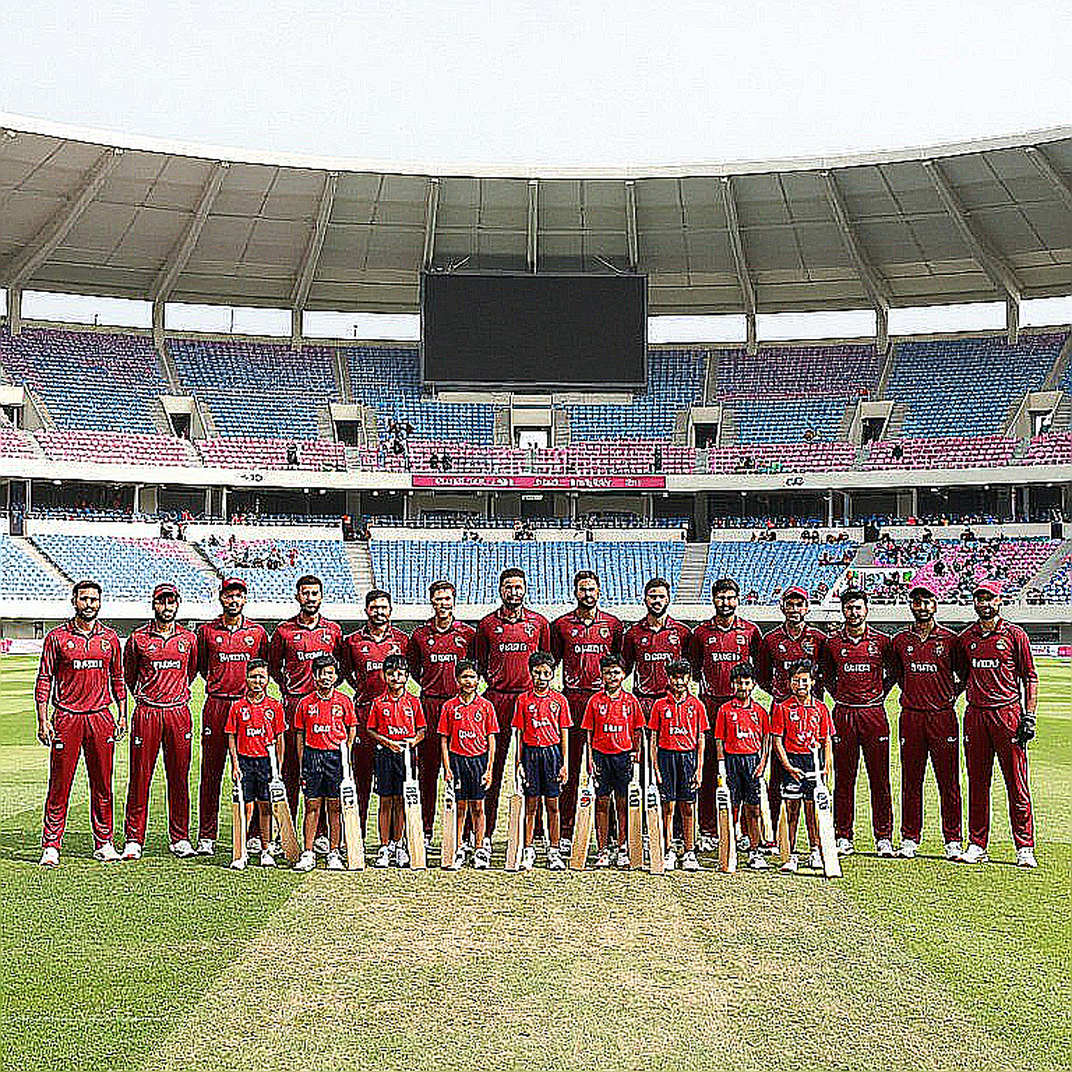
This is not a routine technical glitch. In cricket analysis, format (Test, ODI, T20) is the most fundamental element. If the format itself is undefined, neither powerplay strategy nor death-overs execution can be understood. Nor is it possible to assess the session-by-session grind of Test cricket. This report says 'N/A—insufficient information' everywhere. This situation indicates that the Stage-1 pipeline not only lost the data but also failed to flag it.
For me, this is the most worrying aspect. Over the past few years, the face of cricket analytics has changed. Ball-tracking, spot-fixing monitoring, workload management, and auction valuation—everything rests on data. So if the input itself is empty, what will the output be? This question is not about one report; it is about the entire system.
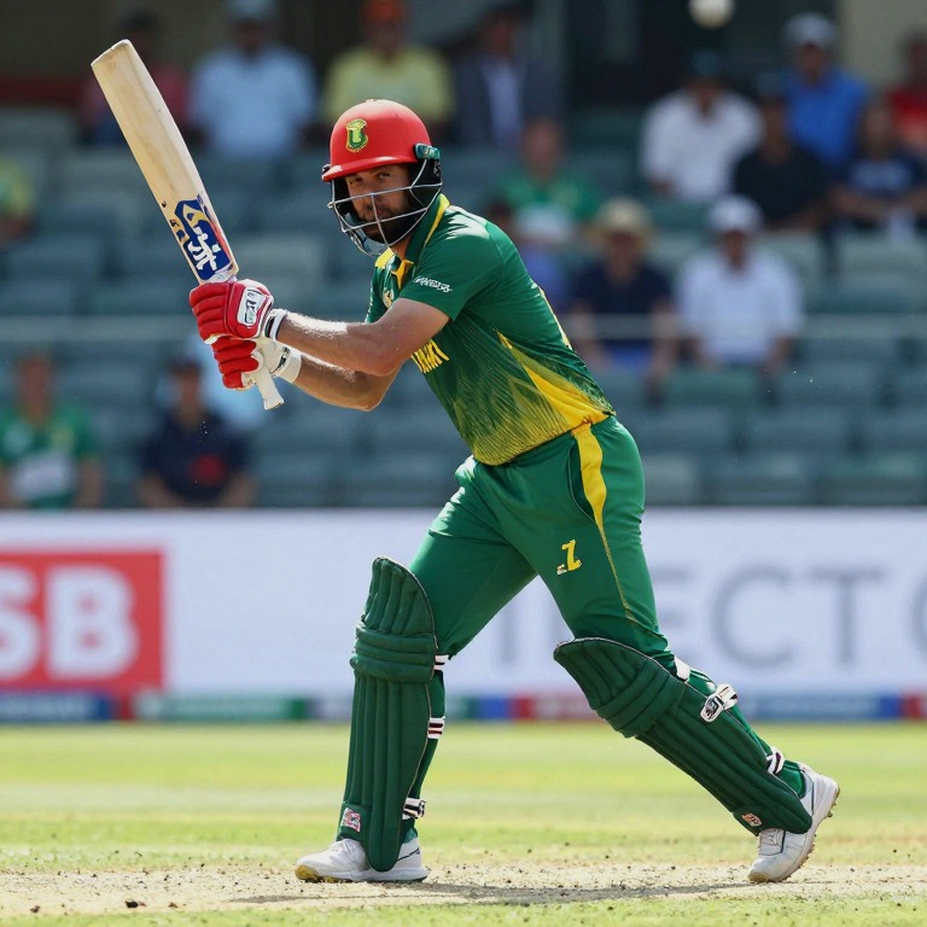
What is worth noting is that the 'Entities Involved' field in this report says—'identify from the information points above.' But those points do not exist. So there is an instruction, but no material to follow it. This is a failure of pipeline design. A system that moves forward assuming an empty box is full.
In cricket, we often talk about 'DRS'—when the third umpire reviews, every angle, every frame is examined. But here, the screen itself is black. In such a situation, drawing any conclusion, commenting on any player or team, would be pure fabrication. And that is the biggest lesson of this report: when there is no data, silence is the most accurate analysis.

But the question is whether this is an isolated incident or a systemic disease. The report lists the 'Domain Label' as cricket_world, whereas the schema should have Cricket. This may seem like a small thing, but it signals a lack of alignment between the classifier and the Stage-2 schema. If this continues, many match reports and previews will pass without analysis in the future.
And this is not just a technical issue. It has a direct impact on the cricket ecosystem. Imagine a player valuation ahead of a franchise league auction. If the analysis pipeline itself is running on empty data, on what basis will decisions be made? From broadcast rights to fantasy cricket, data is needed everywhere.
I remember when I was first learning cricket analysis, our mentor said—'Better empty data than wrong data.' But here, even empty data is being handled incorrectly. This is called a 'silent failure'—when the system fails, but no alarm is raised.
Now the question arises: what is the solution? First, a 'hard gate' must be installed between Stage-1 and Stage-2. If the information points are empty or the title/source is 'N/A,' Stage-2 should halt and return an 'insufficient input' error. Second, auditing of the entity extraction step is necessary. Third, the domain label taxonomy should be fixed.
There is another aspect to this whole episode—have we become too dependent on data? The beauty of cricket lies in its uncertainty. But there is a difference between uncertainty and ignorance. An empty file and an exciting match are worlds apart. The job of analysis is to understand uncertainty, not ignorance.
If we learn anything from this incident, it is that transparency in cricket analysis should apply not just to the report but to the entire process. Until we know where the data came from, how it was processed, and where it is going—any conclusion is incomplete.
The way forward is clear: install null-checking guards in the pipeline, monitor failure rates at the batch level, and re-run the raw text through Stage-1. Because just as every ball is accounted for in cricket, every data point should be accounted for. Otherwise, the scoreboard will be full, but the commentary will be empty.